Reference
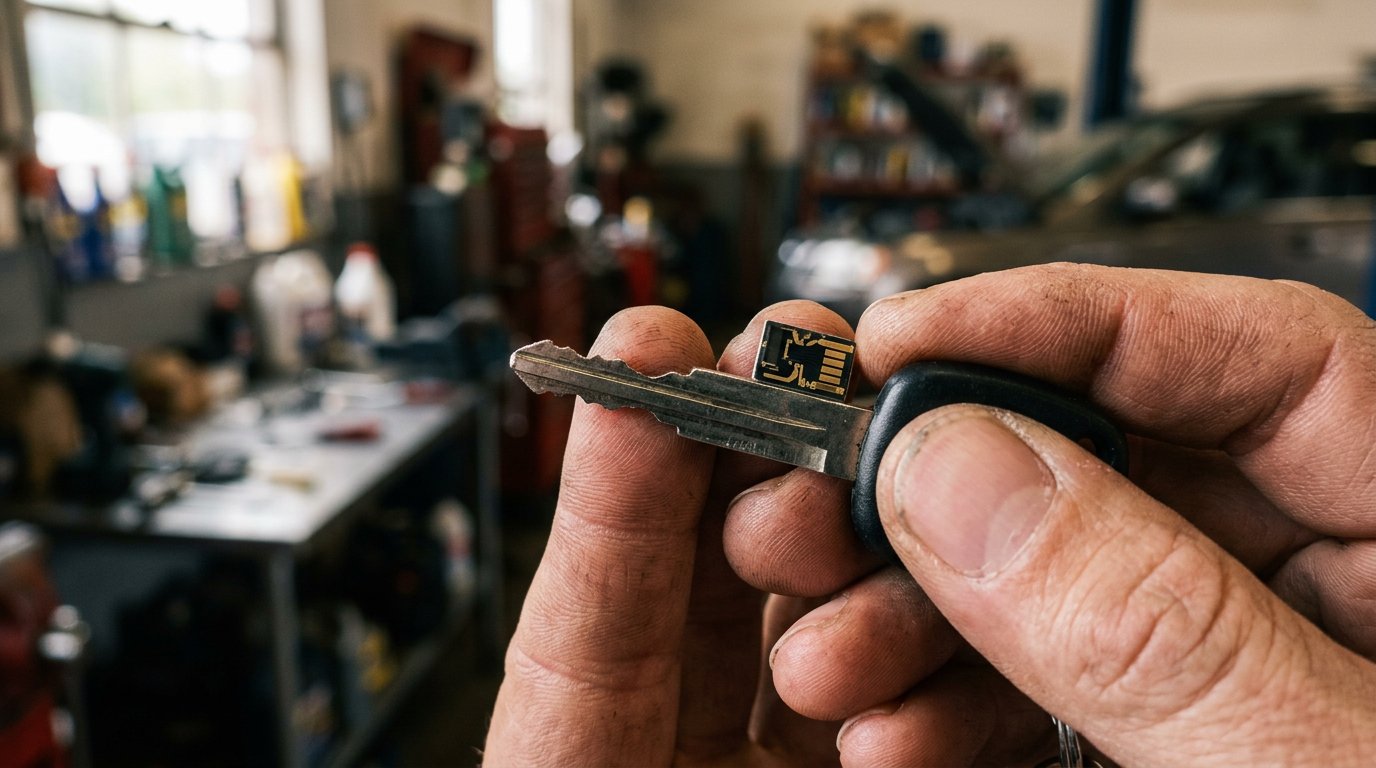
Push to Start Key Replacement: What to Expect
Discover what to expect with push to start key replacement. Learn the process, costs, and tips to get back on the road quickly.
Read guideGuides & cost data
National, citation-backed guides to what car-key work costs and how to find and vet the right pro — written from a directory's neutral vantage point.
Discover what to expect with push to start key replacement. Learn the process, costs, and tips to get back on the road quickly.
Read guide
The alarm is not malfunctioning. It was armed by the remote and it is waiting for the remote to disarm it. Opening the door with the metal key looks, to the car, exactly like a break-in.
Read guide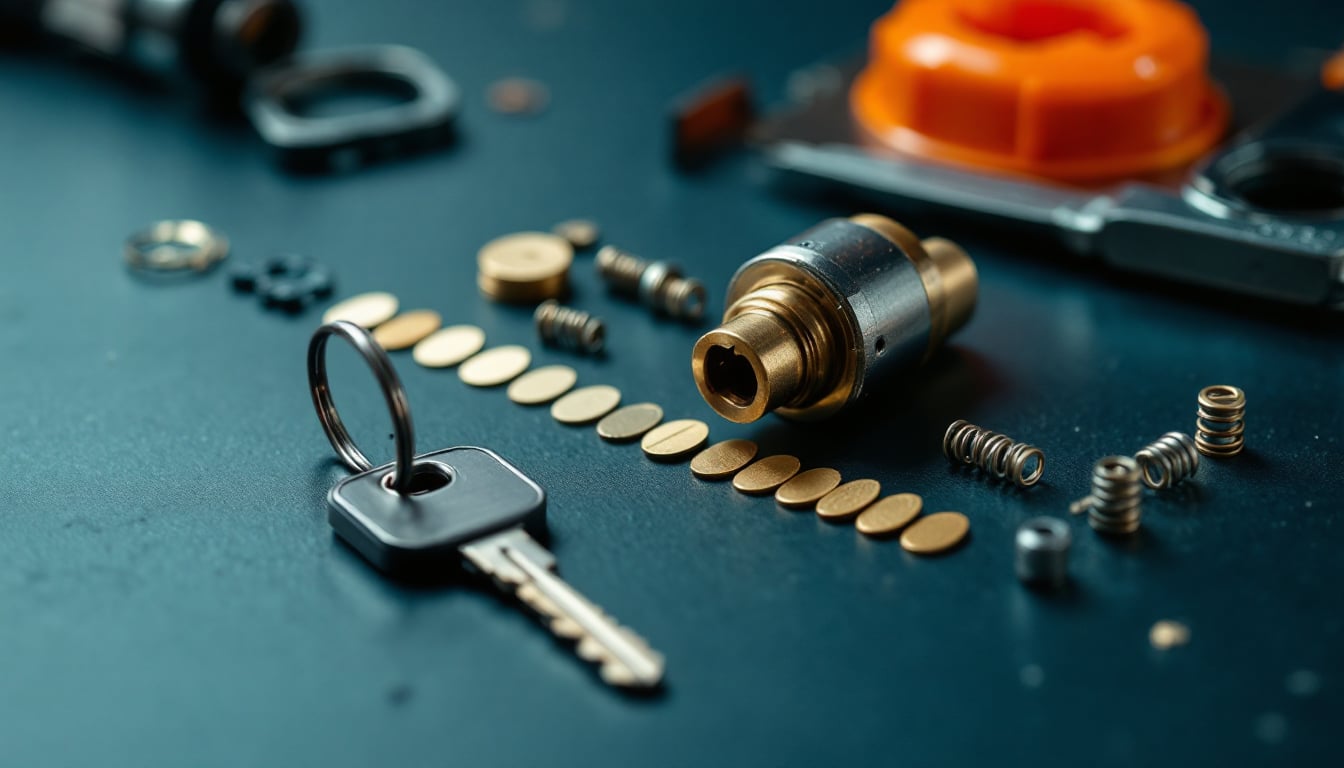
Rekeying a car is three different jobs sharing one word. One is electronic and cheap, one is mechanical and priced per lock, and one is a parts replacement. Knowing which your situation needs is most of the saving.
Read guide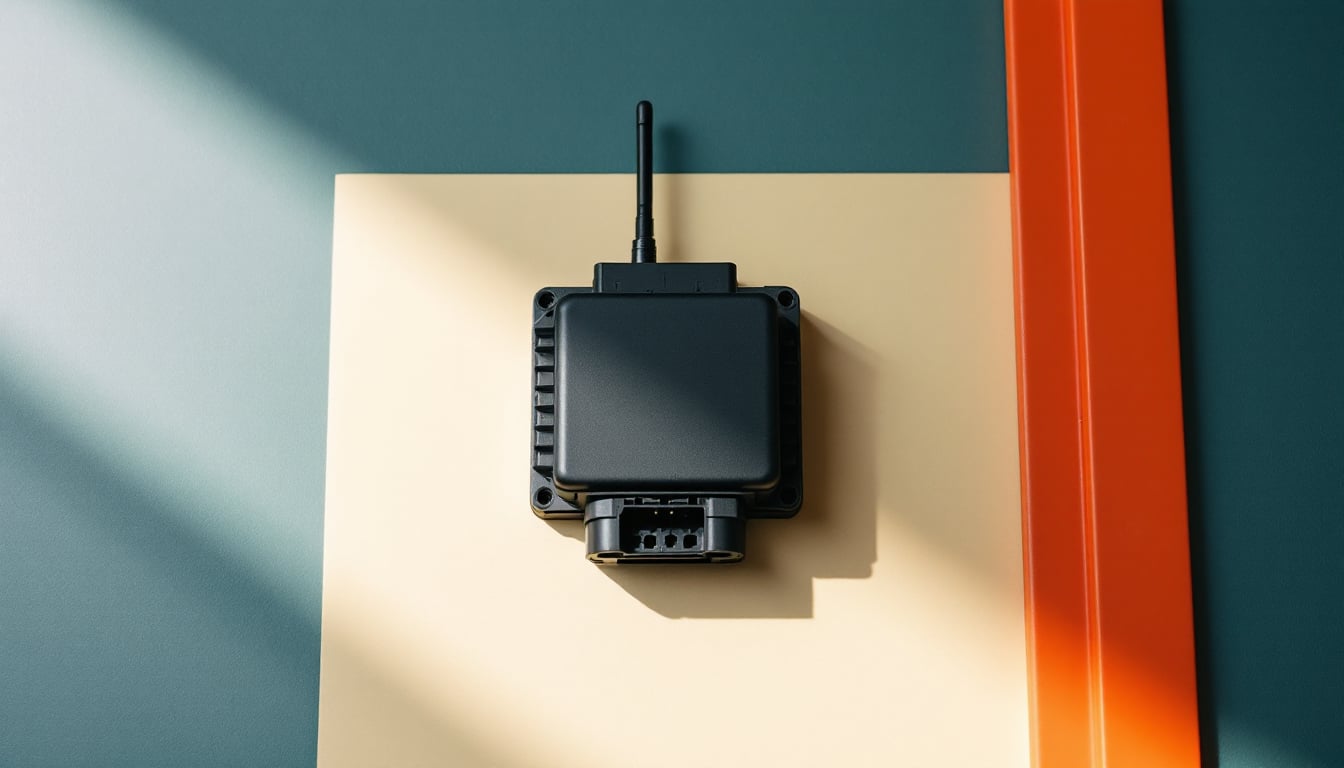
When two good keys both fail, a third key will not fix it. The fault has moved to the vehicle side of the immobilizer, where five different parts can be responsible and the cheapest and dearest are far apart.
Read guide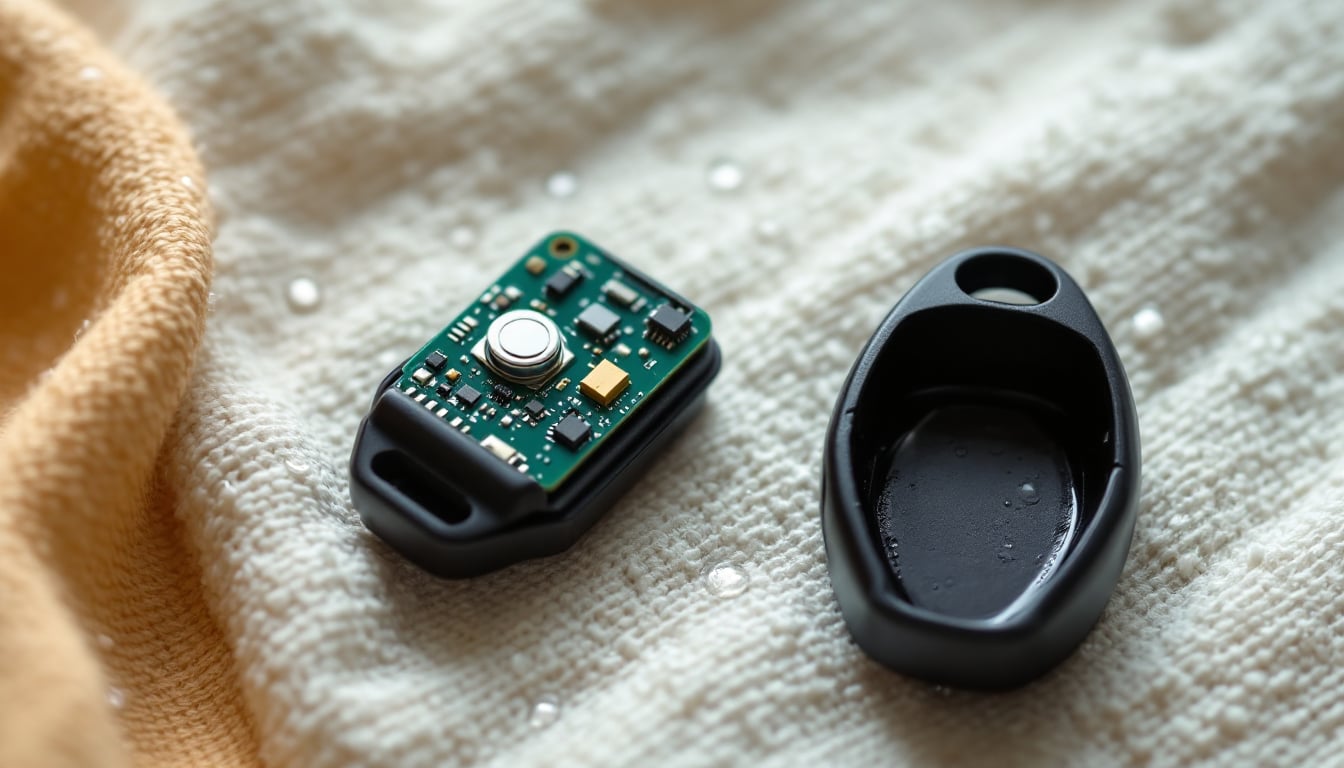
Water rarely kills a key fob on contact. What kills it is the battery left connected while the circuit board is wet. The first ten minutes decide whether this is a coin cell or a replacement fob.
Read guide
A Mitsubishi key is not one thing. A late Outlander shares its electronics with a Nissan, a Raider pickup is a Dodge underneath, and everything between runs Mitsubishi's own system. The year and model decide which shop can help.
Read guide
A van with no key is not an inconvenience, it is a day of lost revenue. The key itself is rarely the expensive part — the schedule is, and most of what determines it can be arranged before anything goes wrong.
Read guide
Most stuck keys are the car refusing to release one, not a lock that has failed. The difference matters, because one of those is free to resolve and the other is a cylinder job.
Read guide
A key that slides in but will not rotate is rarely a dead car. It is usually one of four things, and the first of them is free to fix in about ten seconds once you know the trick.
Read guide
A fob bought online looks like it saves half the bill. Sometimes it does. The rest of the time the saving disappears into a programming-only labour rate, a part that cannot be paired, and a trip charge you still owe.
Read guide
Most drivers who ask whether this can be done today are asking the wrong side of the question. Same-day is rarely limited by how busy a shop is — it is decided by four facts about your specific vehicle, and you can check all four before you call anyone.
Read guide
Discover what to expect when replacing all keys lost for your car. Learn the process and get back on the road quickly with expert locksmith help.
Read guide
Extraction is the urgent half of a broken key and the half most home attempts make worse. Here is how to tell whether you can safely try it, why superglue is the worst advice on the internet, and why the broken half still in your hand is worth keeping.
Read guide
People search for a price "in my area" and find a national average instead. This guide explains what genuinely changes from place to place — drive time, how many equipped shops are in range, local labour cost and the hour you call — and why the state you live in is the weakest of the four.
Read guide
Most car key work is mobile, so the drive is not an add-on to a cheaper shop price — it is part of the job. This guide explains what the trip buys, the three billing shapes you will meet, and the five questions that turn two incomparable quotes into a real comparison.
Read guide
The immobilizer light is the most useful diagnostic in this whole subject, because how it behaves tells you whether the problem is the key, the reader that reads it, the vehicle battery or a system that has locked itself out. Ten minutes of structured checking separates them.
Read guide
On Tesla, Rivian, Lucid and Polestar there is usually no blade to cut and no immobilizer to negotiate with — there is an account and a list of authorised credentials. That changes who you call, what it costs, and what you must check before buying one used.
Read guide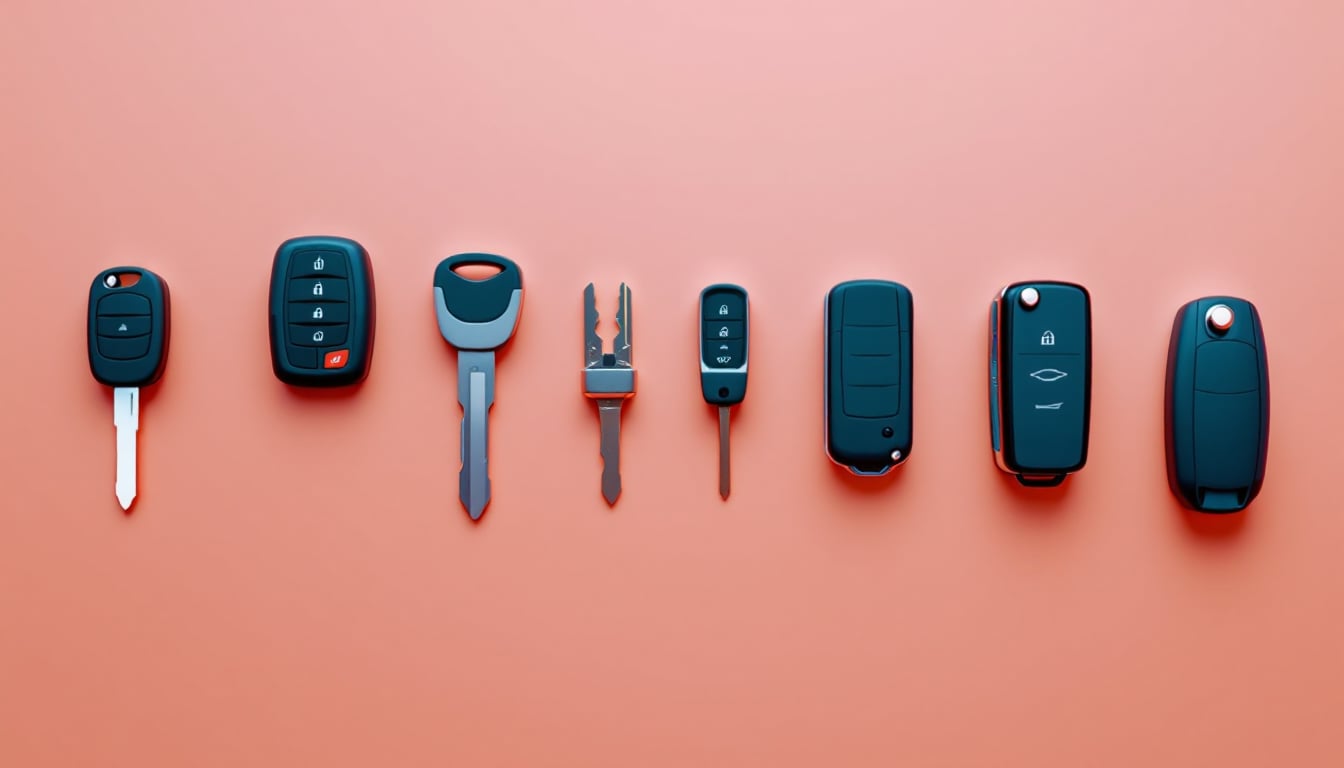
Most cost guides quote one number for "a car key". There are at least seven kinds of car key in circulation and they do not cost remotely the same. This guide answers the price question first, then breaks the range apart by key type and shows you how to identify yours in under a minute.
Read guide
Losing your only key is the most expensive version of this problem, and the reasons are structural rather than opportunistic. Here is the honest range, who can do the work, what each line on the quote is for, and the decisions that still move the number in your favour.
Read guide
A car that catches and dies almost immediately is telling you something quite specific. This guide separates the immobilizer signature from the faults it is mistaken for, gives you four checks to run before calling anyone, and maps each outcome to the trade that can fix it.
Read guide
A key that works most of the time is the easiest fault in this subject to ignore and the most expensive to ignore for long. Here is what intermittent behaviour actually indicates, how to read the pattern, and what it costs to act now versus later.
Read guide
Mercedes-Benz sits at the strict end of car key replacement, and for reasons that are structural rather than arbitrary. This guide sets out the eras, explains why a shop that handles every mainstream brand may still decline your car, and lists what to establish before anyone is dispatched.
Read guide
Two keys failing at once sounds twice as bad as one. It is usually the opposite — separate devices with separate batteries rarely die on the same night by chance, and what they share is the car. Here is how to find the part that stopped listening.
Read guide
Most people assume newer means pricier and older means cheaper. Key work does not behave that way. Cost by vehicle age is a U — cheapest in the middle bands where parts and tooling are abundant, and expensive at both ends for two completely different reasons.
Read guide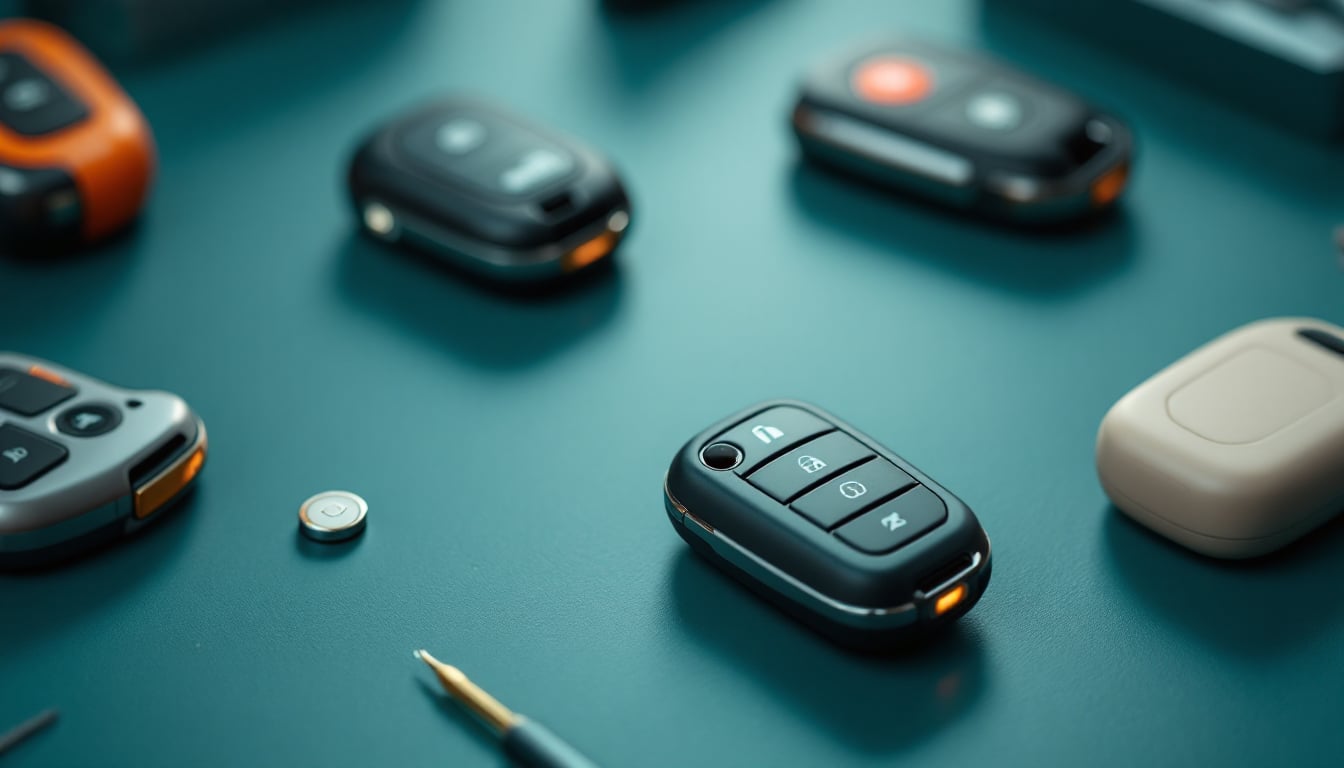
Replacing a key fob describes at least four different jobs, and they do not cost the same. This guide answers the price question first, then explains what you are actually paying for — hardware, cutting, programming access, and the trip — so a quote stops being a mystery.
Read guide
Three badges, three different owners, and one shared set of conditions that puts them in the most expensive corner of the key-replacement map. Volume, module-bound keys and who is allowed to authorise a new one.
Read guide
When one key fails and the spare is fine, the vehicle has already been mostly exonerated — before anyone has opened a toolbox. Here is how to read that asymmetry, rank the causes from a dead coin cell upward, and work out whether the answer is a battery, a fresh cut, a programming session, or a new key.
Read guide
BMW key work is decided by which security generation the car was built on. Owners almost never know theirs, and it is the first thing any competent shop will ask about.
Read guide
The automotive key trade concentrates where the cars are. If you live where they are not, the job is the same but everything around it changes.
Read guide
On a car built before immobilizers, nothing needs programming. That does not make the key easy — it moves the difficulty somewhere most modern shops no longer go.
Read guide
The honest answer to a midnight lost key is that some of this work is available right now and some of it genuinely is not. Knowing which is which stops you paying for the wrong thing.
Read guide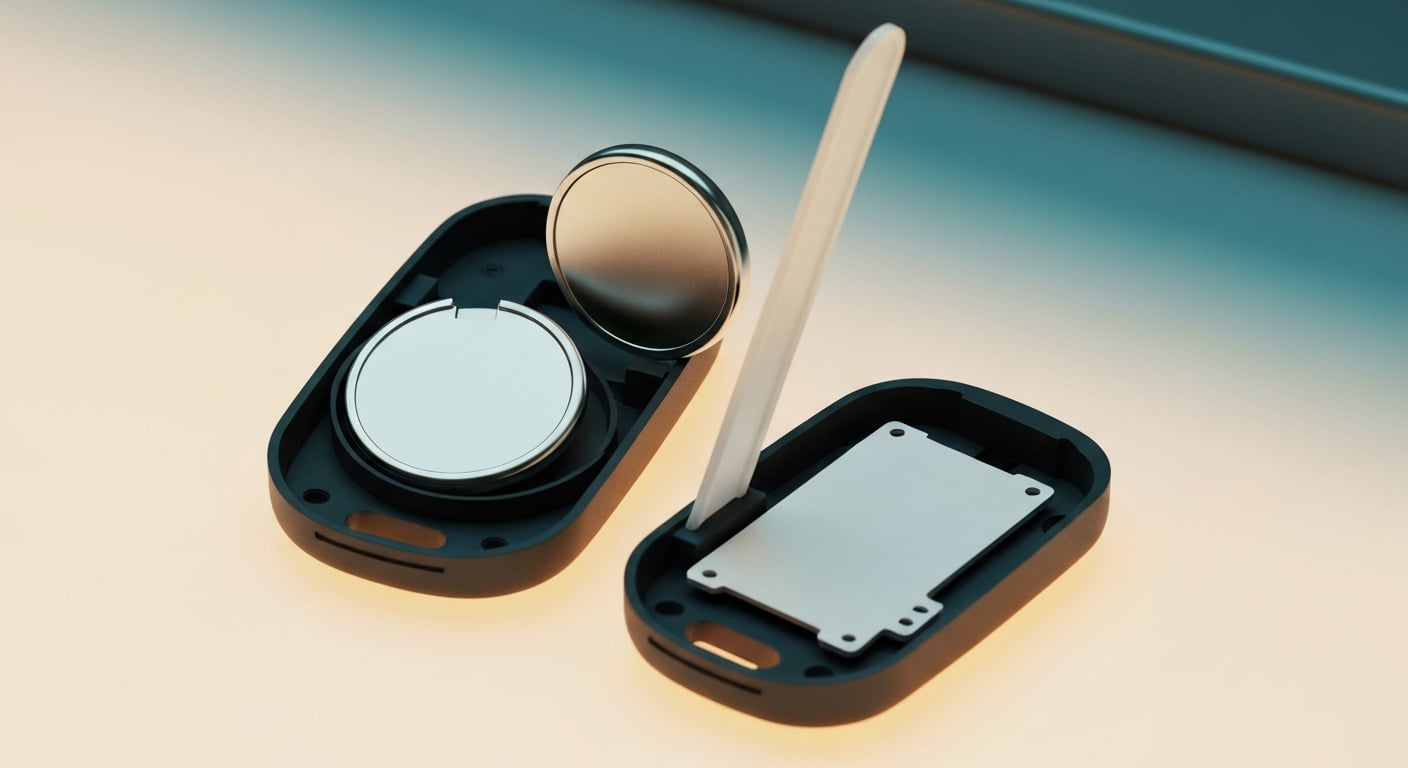
A surprising share of dead key fobs are not dead. The symptom pattern tells you which case you are in, and the cheap explanations come first for a reason.
Read guide
Mazda is the make where the badge on the tailgate is the least reliable guide to what is inside the key. Several older models carry a different maker security system entirely.
Read guide
Nissan and Infiniti key work turns on something you cannot see or photograph: a code held inside a control module. Whether a shop can read it decides most of the quote.
Read guide
Every guide to car key replacement assumes you own the car. Millions of drivers do not, and the ownership check that protects vehicles is exactly what complicates their day.
Read guide
Subaru sits at an unusual place in the key world. Depending on the year, the same nameplate can be the cheapest key job on the board or a full security procedure.
Read guide
Volkswagen and Audi are the makes where the phrase dealer only is most often literally true. Knowing whether it applies to your vehicle is worth doing before you call anyone.
Read guide
Ford has used the same immobilizer name since the 1990s and changed what sits behind it several times. Which generation your F-150, Explorer or MKZ carries decides whether a replacement key is a curbside job or a shop appointment.
Read guide
GM ran three different anti-theft ideas before settling on the modern one, and the security relearn wait is why a ten-minute GM key job can occupy an hour. Here is what your era means for the bill.
Read guide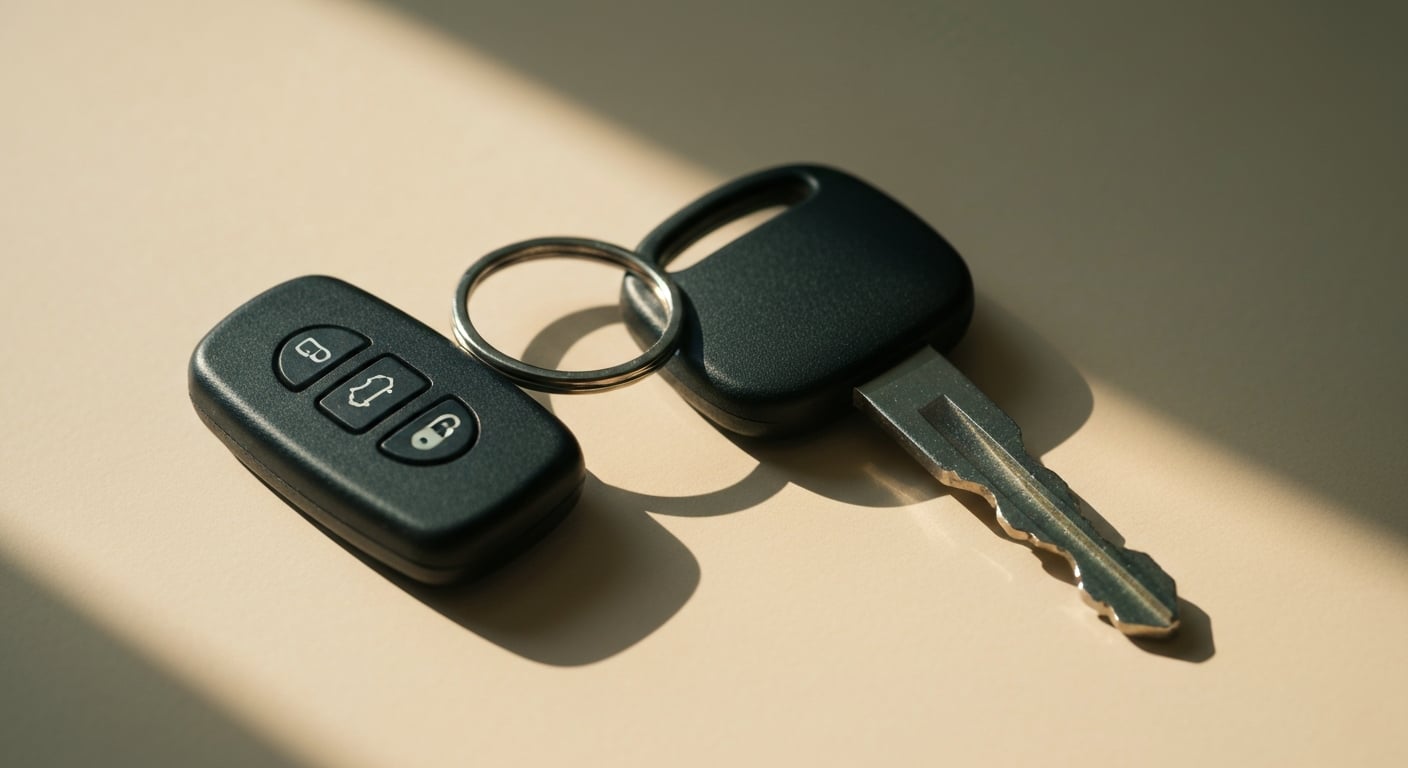
Plenty of Hondas carry a chipped key and a separate remote on the same ring — two independent parts with two independent failure modes. Diagnosing which one died is the whole game.
Read guide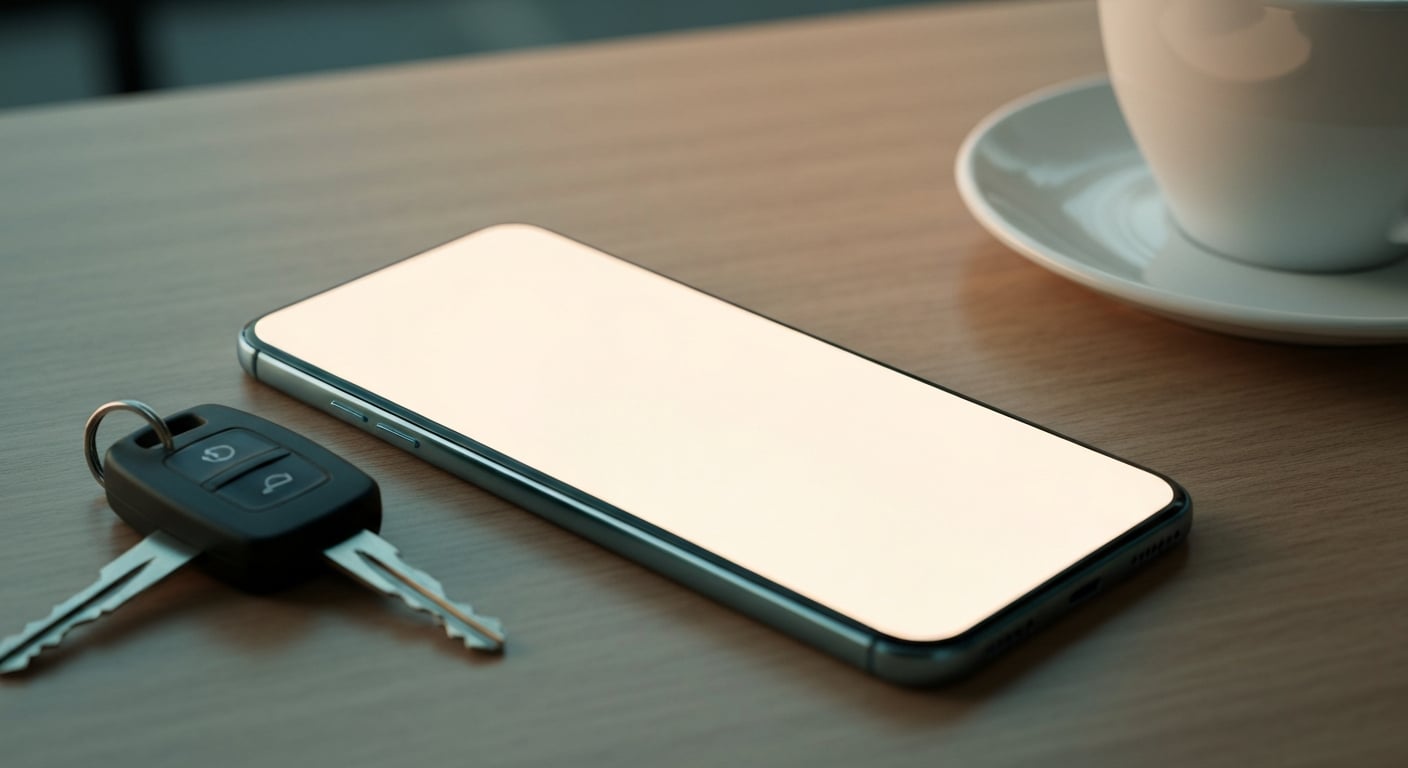
A five-star average tells you almost nothing about whether a shop can make your key. What the reviews say — and who is answering the phone — tells you a great deal.
Read guide
On most makes the first question is which chip. On Hyundai and Kia it is whether there is a chip at all — a large share of the US fleet was built without an engine immobilizer, and that single fact changes the job.
Read guide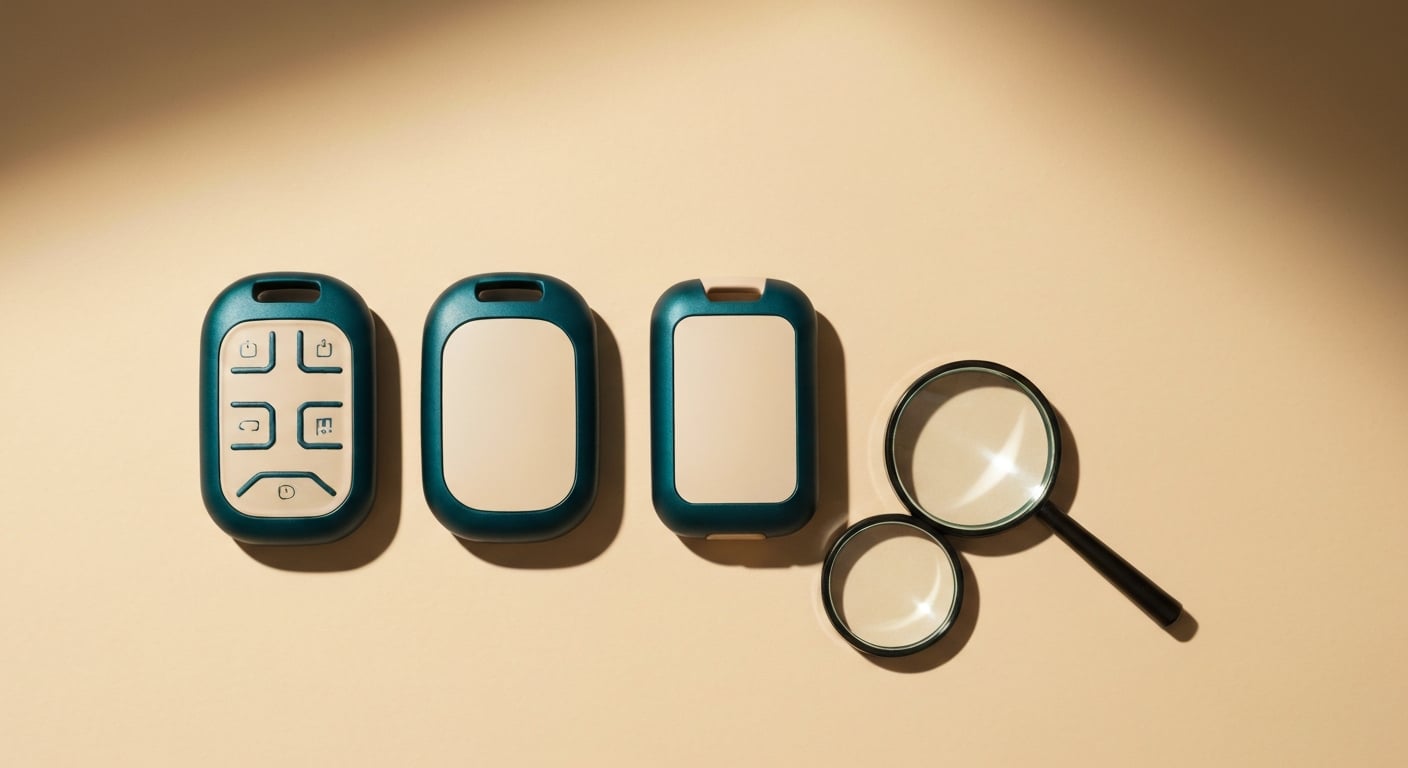
The same fob is sold five different ways at five different prices, and only some of them can be programmed to your car. Here is how to tell which listing is a bargain and which is a brick.
Read guide
A spare is the only part of car-key ownership where you control the price completely — because the difference between adding a key and originating one is decided entirely by when you do it.
Read guide
Two Toyota keys can look identical and cost very different amounts to replace. The chip generation inside — and whether any working key survives — explains almost the whole gap.
Read guide
One key is the default on a used-car handover, not the exception. It is also the cheapest problem you will ever have — for exactly as long as that one key keeps working.
Read guide
It is almost never about skill. Coverage is a subscription, an inventory decision and a credential — three costs a shop either carries for your vehicle this year or does not.
Read guide
A proximity fob is the most expensive key format on the market, but the final bill is far more adjustable than most owners realize. These are the seven levers that move it, ranked by how much they actually save.
Read guide
Two shops, one car, two very different numbers. Neither is necessarily wrong. Here is every line that goes into a car key quote, what drives each one, and how to compare offers that are not describing the same job.
Read guide
The same search returns four shops in one state and none in another. Coverage density is the least-discussed variable in car key replacement, and it quietly decides your wait, your price and sometimes whether a mobile visit happens at all.
Read guide
Your model year predicts your key job better than your badge does. Here is the five-era timeline of automotive key technology and where your vehicle lands on it.
Read guide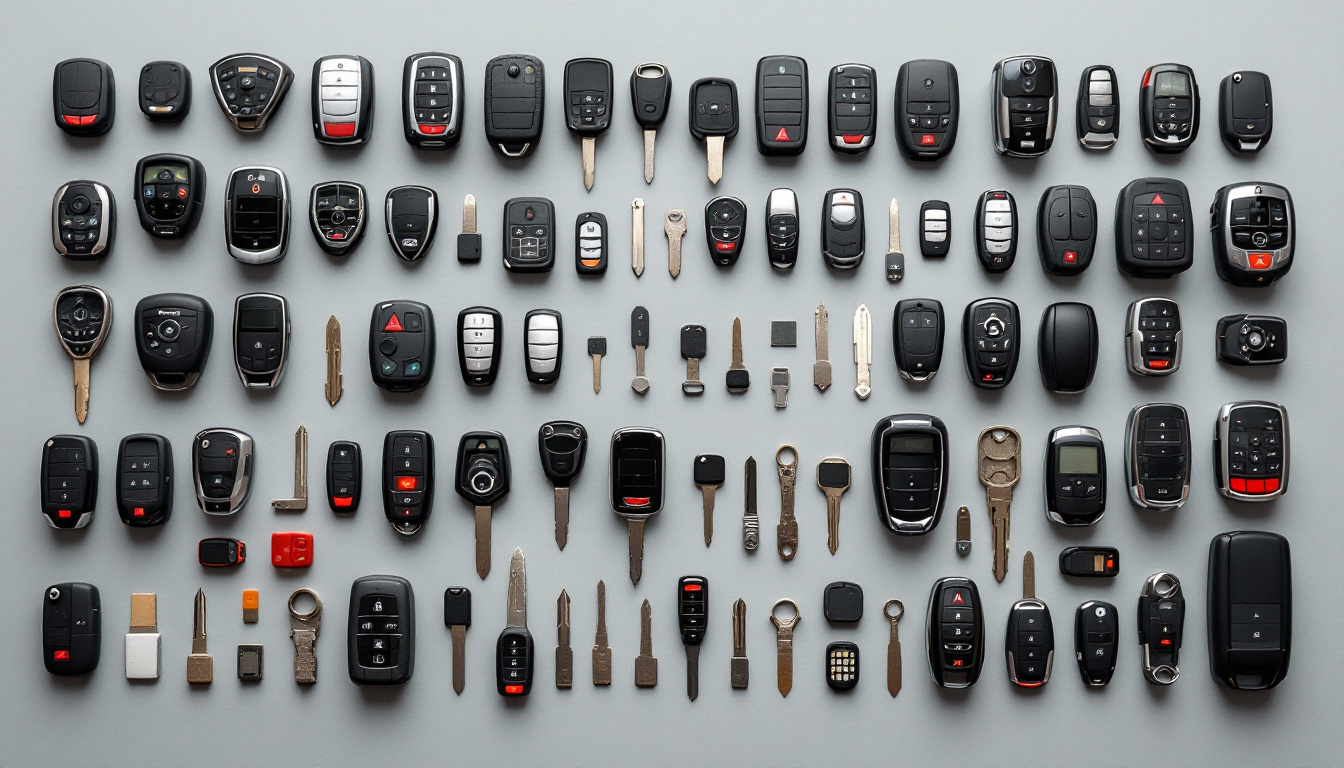
Every quote you get will contain three words you did not ask about. Here is what each of them means, why the shop used it, and how it changes what you pay.
Read guide
Discontinued parts, dead brands and franchise networks that no longer exist. A dealer refusal is not the end of the road for an older vehicle — it just means the answer has moved somewhere else.
Read guide
A surprising share of "I need a new key" calls are not key problems at all. Five minutes of symptom-sorting tells you whether you are buying a key, a lock cylinder, or an appointment with a mechanic.
Read guide
Every legitimate car key job begins with the same question: can you prove this is your vehicle? Here is exactly what counts as proof, why refusing to check is a red flag, and how the awkward cases actually get resolved.
Read guide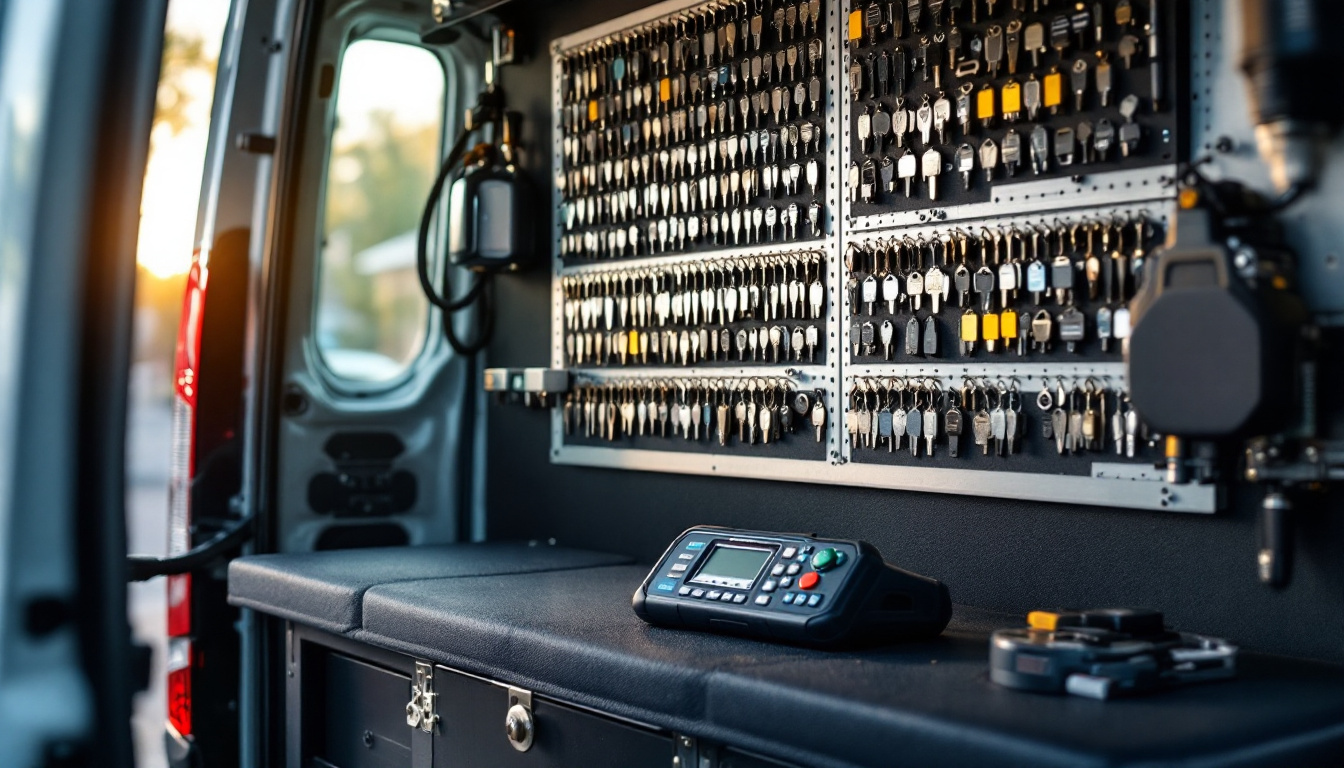
The phrase covers a much narrower trade than most people expect. Here is the honest scope of an automotive locksmith — what they do daily, what they occasionally do, and the six jobs that are somebody else entirely.
Read guide
Four numbers you could dial, and only one of them can make you a key at the roadside. Here is what each provider actually does, in what order to try them, and where roadside assistance quietly helps more than people expect.
Read guide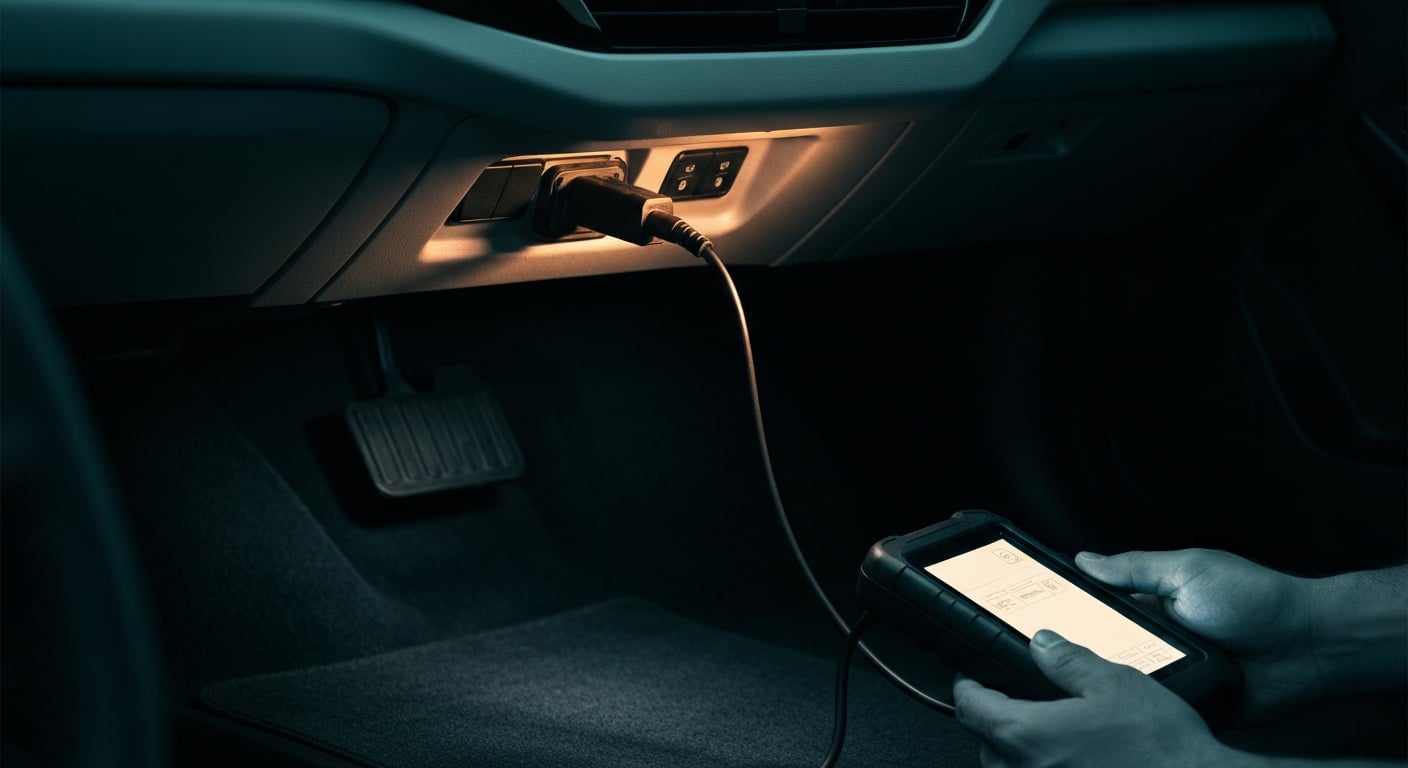
Losing every key to a modern car is not a lock problem, it is a trust problem: the vehicle has to be convinced to accept a key it has never seen. This is the process behind an all-keys-lost job — the credentials, the paperwork, and the reasons it costs more than a spare.
Read guide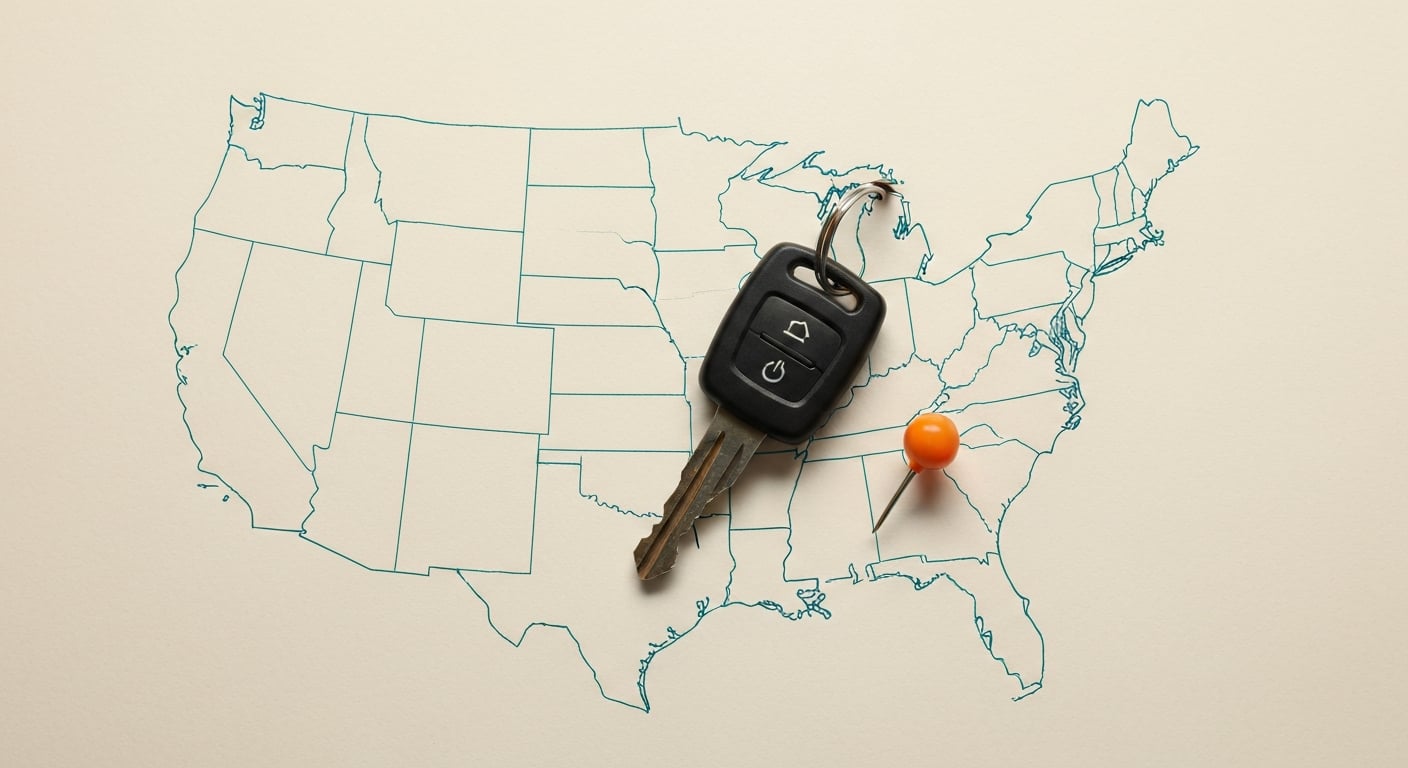
There is no federal locksmith licence in the United States. About half the states regulate the trade — some through a dedicated board, some under a private-security or alarm framework — and the rest leave it to city ordinance or nothing at all. Here is how to find out which applies to you.
Read guide
Two drivers can lose the same kind of key and get quotes hundreds of dollars apart, purely because of the badge on the hood. This is a make-by-make map of what actually drives car-key replacement cost in 2026 — key technology, parts channel, and who is allowed to program it.
Read guide
When the key is an app, a card, or an entry in a manufacturer account, the failure modes change completely — dead phone, revoked credential, locked account. Here is what a digital car key actually is, what breaks, and who can get you back in.
Read guide
Before you pay out of pocket for a replacement key, there are four places worth checking: your auto policy, your roadside plan, the vehicle warranty, and any key-protection or card benefit you already have. Here is what each usually covers and what it almost never does.
Read guide
Most people asking "can someone replace my key today?" are really asking how to plan the next six hours. This is the honest timeline: what each stage takes, which stages you can compress, and the three situations where same-day is genuinely not possible.
Read guide
The worst time to vet a locksmith is standing next to a car you cannot start. Here is a seven-point check you can run in a few minutes — before you are under pressure — and the specific patterns that federal consumer guidance flags as trouble.
Read guide
Chrysler-family vehicles use their own vocabulary — SKIM, SKREEM, WIN, FOBIK — and which one your Jeep or Ram uses decides whether a replacement key is a routine job or a specialist one. Here is the map, without the city-specific sales pitch.
Read guide
A proximity fob and a chipped metal key do the same job from the driver's seat and cost wildly different amounts to replace. The gap is not markup — it is four specific, identifiable cost components, and knowing them tells you where you can and cannot save money.
Read guide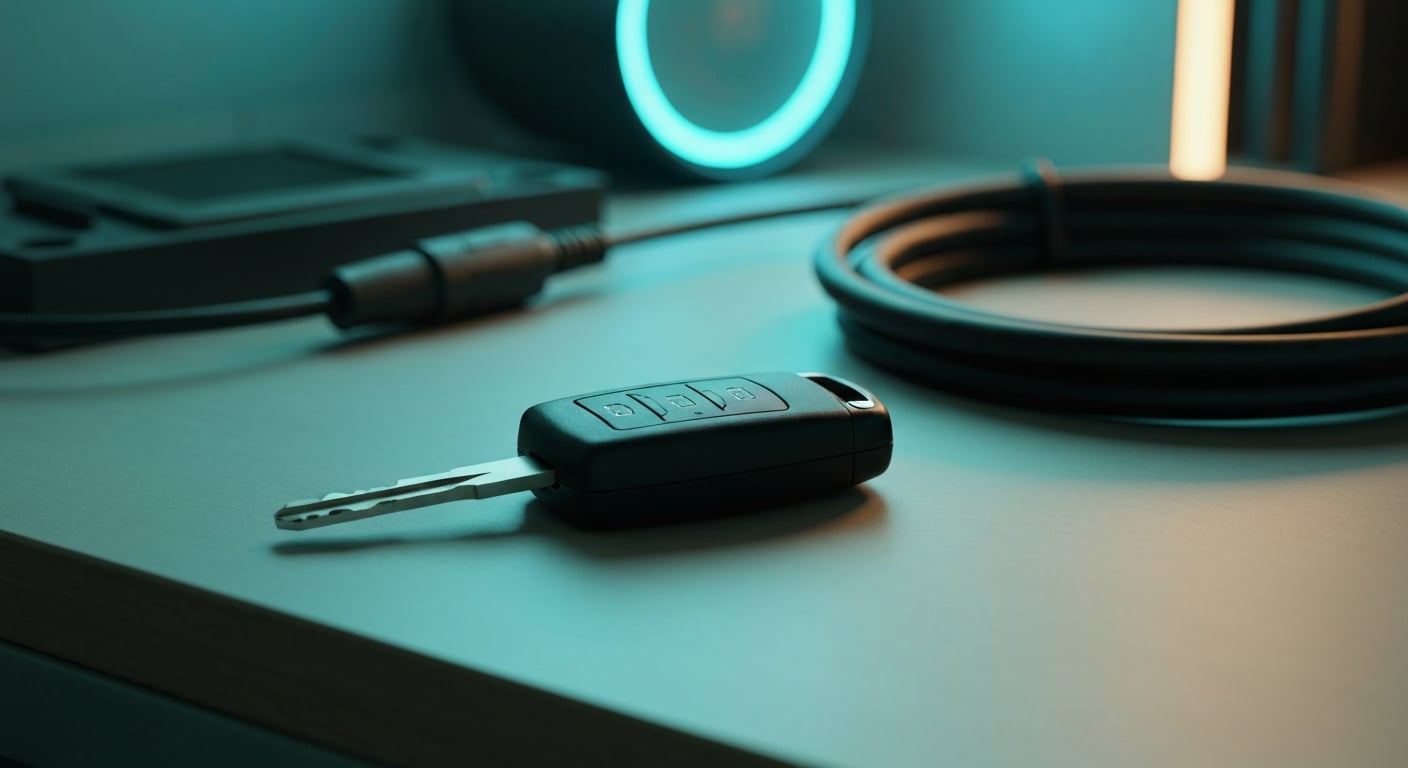
Programming is the part of a transponder key job people cannot see, and therefore the part they most suspect. This guide answers the cost question up front, then explains exactly what the technician is doing for the money and which of three methods your vehicle needs.
Read guide
The search is easy. Reading the results is not. Ads, dispatch aggregators and national brands that subcontract all outrank the specialist who can actually originate a key for your vehicle — here is how to tell them apart before you hand over a card.
Read guide
Car-key replacement prices swing wildly by key type and where you are. We mapped the 2026 national cost bands — from a $5 mechanical copy to a four-figure all-keys-lost smart-key job — using sourced data, and explain why the same key costs different amounts in different metros.
Read guide
The "dealer or locksmith?" question has no single answer — it depends on your exact vehicle. We built a decision guide that sorts the call by make, key generation, and whether you still have a working spare, with sourced cost and timing trade-offs.
Read guide
A dead key fob is not always a dead key fob. We built a troubleshooting flow that separates a $5 battery swap from a reprogram from a true replacement, so you do not overpay — plus what fob replacement actually costs when you do need it.
Read guide
Losing your only key is the most expensive and most scam-prone car-key scenario. This is the calm, step-by-step playbook: what to gather (VIN, proof of ownership), what an all-keys-lost job actually involves, and the red flags that mean you should hang up.
Read guide
Why can one locksmith program your push-to-start key in the driveway while another sends you to the dealer? We explain immobilizers, rolling codes, and the NASTF Secure Data Release System — so you can ask the right question before you book.
Read guideMatching service · powered by CarKeyNation
Tell us your vehicle and ZIP, and CarKeyNation matches you with screened automotive locksmiths so you can compare pricing and availability before anyone is dispatched. This is a free matching service — not a booking with any single listed business.