Yes — smart key replacement has real affordable options, and the single largest one is having a working key present when you order the new one. As of July 2026, published consumer guidance places car key replacement broadly in the low-to-mid hundreds of dollars, with all-keys-lost work at the top of that range [1]. Nearly everything that separates the bottom of that band from the top is a decision, not a fixed fact about your vehicle.
A proximity fob is genuinely the most expensive key format on the market — it is a small radio computer, not a piece of cut brass. But the final invoice has more adjustable parts than most owners realise. Here are the seven levers, ranked by how much they actually move the number.
Lever 1 — Order the spare before you need it
This is not a platitude; it is arithmetic, and it dwarfs every other item on this list.
With a working key present, the technician identifies the platform, sources the correct fob, and enrolls it. With no working key, they must originate a mechanical blade from the vehicle's key code and establish trust with the security system from scratch — on many modern platforms through a credentialed manufacturer-data channel that logs the request and requires documented ownership [4]. That is more time, more tooling, and more paperwork.
The result is that the same fob, on the same car, costs materially less to add than to originate. If you currently have exactly one working key, the cheapest smart-key decision available to you today is to make a second one this month. It converts every future key event from the expensive scenario into the cheap one.
Lever 2 — Independent shop, not the dealership
For the same physical outcome, an independent automotive locksmith is usually the lower-cost provider, and the gap widens when a tow is involved: a dealership needs the vehicle brought to it, while a mobile technician comes to the vehicle.
Two caveats keep this honest. The dealer is genuinely the right answer for a handful of very new platforms, for a few manufacturers with restrictive security policies, and when the failure is a security module rather than a key. And a competent locksmith will tell you when you are in one of those cases. We put the full comparison side by side in dealer vs locksmith for a car key.
Lever 3 — Drive to the shop instead of buying a mobile visit
Mobile service is priced to cover travel time, which is dead time a shop cannot sell to anyone else. If your vehicle is drivable — which it is whenever this is a spare-key job rather than an emergency — taking it to a shop-based location typically removes that component.
The saving depends heavily on where you live. In a dense metro area the mobile premium may be small; in a thin-coverage region it can be a substantial fraction of the bill, because the technician may be driving an hour each way. We mapped how sharply this varies in automotive locksmith coverage across the U.S.
The corollary: schedule it. An emergency call after hours or on a holiday is priced differently from a Tuesday-morning appointment, everywhere.
Lever 4 — Repair instead of replace
A large share of "my smart key died" calls are not dead smart keys. Before paying for a new fob, rule out the cheap causes in this order:
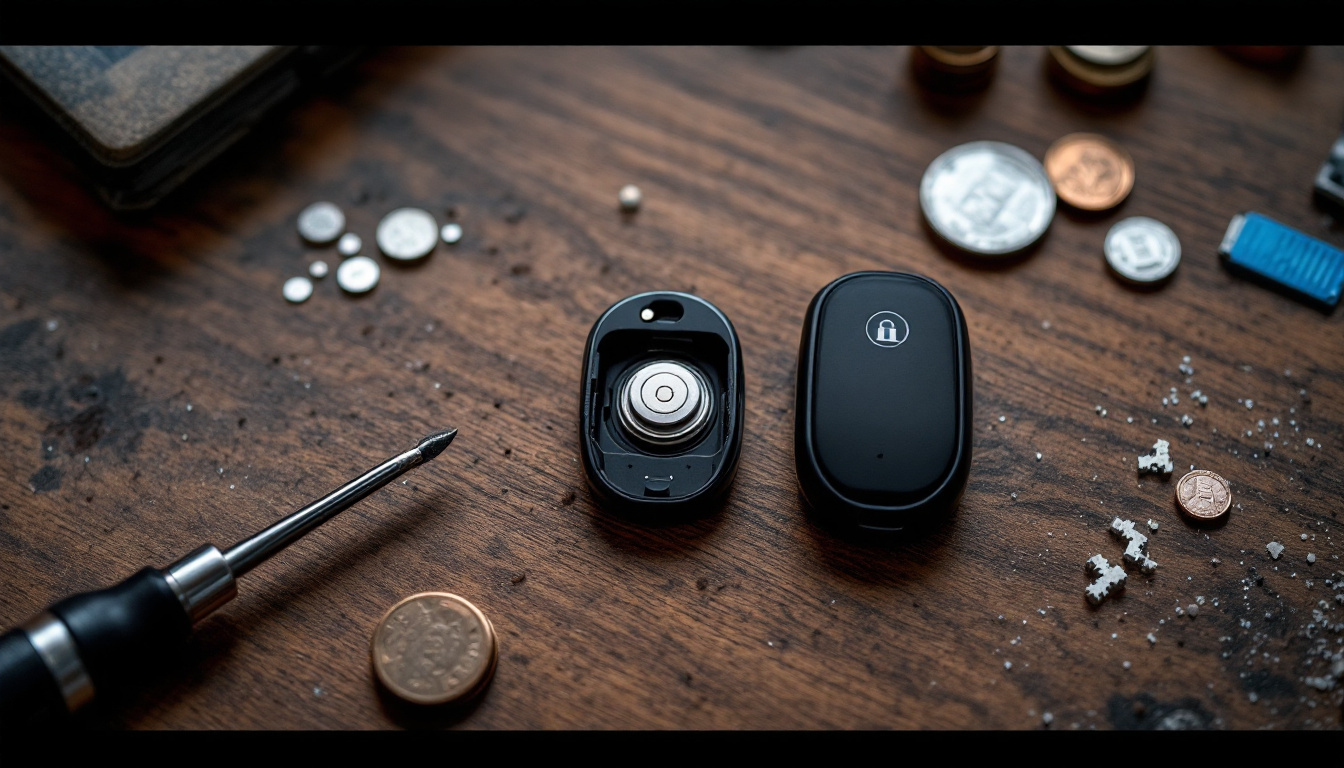
- The coin cell. A few dollars, two minutes, and by far the most common cause. Spent cells should go to household battery recycling rather than the trash [5].
- The emergency start procedure. Nearly every push-button vehicle has a documented way to start with a dead fob — a slot, a marked spot on the column, or holding the fob against the start button. Check the owner manual before concluding anything.
- The housing. Cracked shells, worn buttons and broken emergency blades are frequently replaceable while keeping the original electronics inside, which is dramatically cheaper than a new programmed fob.
- The vehicle side. If a second known-good fob behaves identically, the fault is the receiver or a module, and a third fob will not fix it.
Our key fob replacement guide runs that diagnostic path in full, and is it the key or the ignition covers the vehicle-side possibilities.
Lever 5 — Parts sourcing, done carefully
Buying the fob yourself can save money. It can also produce an expensive paperweight. The difference is entirely in how you buy.
If you do this, do it this way:
- Match the FCC identifier, not the photograph. Every remote transmitter sold in the United States carries an equipment authorization ID, publicly searchable through the FCC [2]. Two fobs that look identical can be different parts; two that share an FCC ID rarely are.
- Ask your shop first whether they will program a customer-supplied part at all. Many decline outright, and it is far better to know before the package arrives.
- Ask what happens if it will not enroll. Most shops that accept supplied parts charge for the attempt and warranty nothing.
- Be cautious with used fobs. Some platforms allow a previously paired unit to be reset and re-enrolled; others bind a fob permanently to the first vehicle it learns. Confirm which applies to your vehicle before buying secondhand.
Honest expectation setting: the realistic saving here is the hardware margin, not the labor, and you are taking on the compatibility risk that the shop would otherwise carry.
Lever 6 — Claim the benefits you already pay for
This one costs nothing to check and is skipped constantly.
- Auto insurance. Some policies include a lost-key or key-replacement benefit, often capped. It is seldom advertised. Our post on whether insurance covers car key replacement covers what typically qualifies.
- Roadside memberships. Frequently cover the tow, and occasionally reimburse replacement up to a limit.
- Key protection plans sold at purchase. Many buyers signed up for one at the finance desk and forgot. Check the paperwork from when you bought the car.
- Manufacturer connected-services apps. Will not make a key, but on some vehicles they can unlock the doors remotely — which resolves a lockout for free and avoids paying for a key job you never needed.
Ask the shop for an itemized invoice regardless. A claim is far easier to file against a line-item invoice than a single total.
Lever 7 — Buy the right key, not the fanciest one
Some vehicles offer more than one key format. Where a platform supports a basic remote-head or non-proximity key alongside the full smart fob, the cheaper variant may do everything you actually need for a spare that lives in a drawer as insurance.
This is not universal and it is not always advisable — on a passive-entry vehicle a non-proximity spare may unlock and start via a backup method but will not open the doors by touch. Still, when the purpose of the second key is "get me moving if the first one drowns", the question is there a simpler key that works on this car? is worth asking. Our smart key vs transponder cost comparison shows how large the format gap can be.
What does not save money
Three popular ideas that reliably cost more than they save:
The lowest advertised phone quote. A "starting at" number that grows on arrival is a recognized pattern, and federal consumer guidance is explicit about confirming the business's identity and the full price in writing before work begins [3]. A firm, itemized total from a slightly pricier shop is usually the cheaper outcome. Our seven-point verification check takes ninety seconds on the phone.
Waiting. A single working key is a countdown, not a plan. The price of a spare only goes up when the spare becomes an origination.
Buying three cheap fobs hoping one enrolls. Each failed attempt still consumes labor. One correct part beats three gambles.
The one-page summary
| Lever | Typical impact | Effort |
|---|---|---|
| Order the spare while a key still works | Largest | Low — one appointment |
| Independent locksmith over dealership | Large | Low |
| Shop visit instead of mobile call | Moderate to large | Low, if drivable |
| Repair rather than replace | Large when it applies | Very low |
| Supply your own correct part | Moderate, with risk | Medium |
| Claim insurance or membership benefits | Variable, sometimes total | Low |
| Choose a simpler key format where offered | Moderate | Low |
To compare a few shops without repeating your vehicle details on five calls, get matched sends them once to screened automotive locksmiths. You can also browse the directory or start from a state hub such as Texas, Arizona or Washington.
Frequently asked questions
Are there affordable options for smart key replacement?
Yes. As of July 2026, published consumer guidance puts car key replacement broadly in the low-to-mid hundreds of dollars, and the biggest single lever is having a working key present — adding a second fob costs meaningfully less than originating one from nothing. After that, the largest savings come from using an independent automotive locksmith instead of a dealership, driving to a shop rather than paying for a mobile visit, and repairing rather than replacing when the fault is a battery, a button or a housing.
Is it cheaper to buy a key fob online and have it programmed?
Sometimes, but the saving is smaller and riskier than it looks. Many shops decline customer-supplied parts, and most that accept them will not warranty the part or refund the labor if it fails to enroll. If you go this route, match the FCC identifier printed on your existing fob rather than matching photographs, and confirm in advance that your shop will program a supplied part and what happens if it does not take.
Does a used or refurbished fob work?
It depends on the platform. Some vehicles accept a previously paired fob after it is reset and re-enrolled; others permanently bind a fob to the first vehicle it learns, making it useless afterwards. This is a question to ask about your exact vehicle before buying anything secondhand, because a locked fob is not returnable in any practical sense.
Can I program a smart key myself to save money?
On most modern vehicles, no. On-board programming sequences that owners can perform generally require one or two already-working keys and largely disappeared from proximity platforms. Where a DIY route does exist it will be documented in the owner manual, and if the manual is silent, assume the job needs diagnostic equipment.
What is the cheapest thing to check before buying a new fob?
The battery, then the emergency start procedure. A large share of dead-fob calls are a coin cell that costs a few dollars, and most push-button vehicles have a documented way to start with a dead fob — a slot, a marked spot on the steering column, or holding the fob against the start button. Establish that the fob is truly failed before paying to replace it.
Does insurance ever pay for a replacement key?
Sometimes. Certain auto policies, memberships and purchase-time key-protection plans include a lost-key benefit, often capped at a stated amount. It is rarely promoted, so it is worth checking your policy documents and any membership benefits before paying out of pocket, and asking the shop for an itemized invoice that a claim can be filed against.
Sources cited
- AAA — Car key replacement cost guidance (2024).
- Federal Communications Commission — Equipment authorization and FCC ID lookup (2024).
- Federal Trade Commission — Hiring a Locksmith (2023).
- National Automotive Service Task Force — Secure Data Release System & Vehicle Security Professional registry (2024).
- U.S. Environmental Protection Agency — Used household batteries and disposal guidance (2024).